Creating a natural garden at home is no longer just an aesthetic choice. Since January 1, 2019, French individuals can no longer buy or use synthetic pesticides for their gardens. And since July 1, 2022, even a landscaper hired by a property owner can no longer apply chemical herbicides in a private garden. These regulatory constraints are fundamentally reshaping the way outdoor spaces are designed and maintained.
Pesticide Regulations and Private Gardens: What Has Changed
Two dates structure the current legal framework. The first, January 1, 2019, marks the prohibition for individuals to buy, store, or use synthetic plant protection products (herbicides, insecticides, fungicides). The second, July 1, 2022, extends this prohibition to professionals working in private residential properties.
Only biocontrol products, those classified as low risk, and those usable in organic farming remain authorized. The natural garden is therefore no longer an option among others: it is the only legal framework for maintaining a private green space.
| Date | Measure | Who is Affected |
|---|---|---|
| January 1, 2019 | Prohibition of synthetic pesticides | Individuals |
| July 1, 2022 | Prohibition of plant protection products (excluding biocontrol) | Professionals working in private gardens |
To delve deeper into gardening practices compatible with this framework, a useful resource is: https://www.dededanssonjardin.com/, which details maintenance methods suitable for natural gardens.
Soil and Local Plants: The Two Pillars of a Resilient Natural Garden
A garden that operates without chemical inputs is based on a simple principle: place the right plant in the right spot. This requires knowing your soil (clay, sandy, limestone) and the actual exposure of each area.
Observe Before Planting
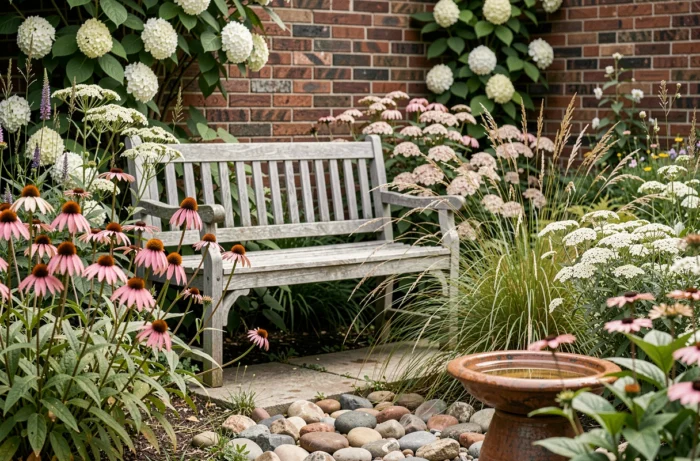
The plants that grow spontaneously in your immediate environment provide reliable indications about the nature of the soil and the microclimate. An area where dandelions proliferate does not have the same characteristics as a soil covered with heather.
This observation guides the choice towards native plants adapted to the local climate, which require less watering, less care, and are more resistant to pests. Viburnum, elderberry, or wild rose can advantageously replace thuja hedges, which require regular trimming and treatments.
Covering the Soil to Protect It
Bare soil dries out quickly, promotes erosion, and leaves room for weeds. Organic mulching (dead leaves, chipped branches, straw) serves several simultaneous functions:
- It limits evaporation and significantly reduces watering needs, a crucial point during summer droughts
- It gradually nourishes the soil as it decomposes, improving its structure and water retention capacity
- It slows the germination of unwanted grasses without resorting to any products, in accordance with current regulations
Flower Meadow or Mowed Lawn: Comparing Approaches
Short mowed grass remains the norm in many gardens. However, the flower meadow is gaining ground, driven both by regulatory constraints and recent landscape design trends.
| Criterion | Classic Lawn | Flower Meadow |
|---|---|---|
| Maintenance | Frequent mowing (every 1-2 weeks) | Mowing 1 to 2 times a year |
| Watering | Regular in summer | Almost none after establishment |
| Biodiversity | Low (grass monoculture) | High (pollinators, beneficials) |
| Authorized Products | No synthetic pesticides | No synthetic pesticides |
| Installation Cost | Higher (sod or dense seeding) | Moderate (seeding of suitable mixes) |
The flower meadow attracts pollinating insects (wild bees, hoverflies, butterflies) and provides habitat for beneficial garden species. A small flower meadow noticeably changes insect activity within a few months.
Concrete Arrangements to Welcome Wildlife in the Garden
A welcoming natural garden is not limited to plants. A few targeted arrangements can transform a green space into a functional ecosystem.
Dead Wood and Pile of Stones
A pile of branches left in a corner of the garden is not clutter. It is a shelter for hedgehogs, toads, and many decomposer insects. Piles of dead wood are one of the most productive habitats for biodiversity in a small garden. Stacked stones serve a similar function for lizards and certain beetles.
Accessible Water Points
A shallow dish of water, placed in the shade with a few pebbles for insects to land on without drowning, is enough to attract birds and pollinators. Regularly refreshing the water prevents mosquito proliferation.
Nesting Boxes and Shelters
Birdhouses and insect hotels complete the setup. Their effectiveness depends on their placement:
- Birdhouses for blue tits should be fixed at a height of about two meters, facing east or southeast, sheltered from prevailing winds
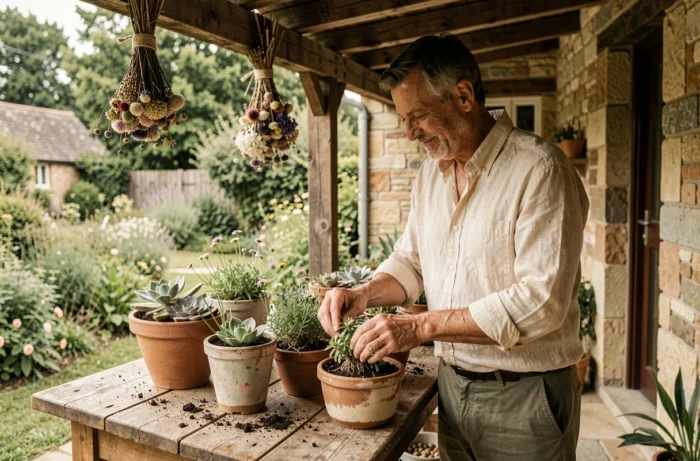
- Insect hotels should be placed facing south, elevated, near nectar-rich plants like sage, lavender, or thyme
- A simple pile of hollow stems (elder, bamboo) tied together attracts solitary bees, among the most effective pollinators
The diversity of micro-habitats matters more than the size of the garden. A balcony with a few pots of nectar-rich plants, a water point, and a small insect hotel can support a varied wildlife.
The French regulatory framework now effectively makes natural gardening mandatory. The gardens that thrive best in this context are those that rely on existing soil, local plants, and simple arrangements that promote wildlife. Ultimately, the legal constraint encourages more vibrant and less costly-to-maintain spaces.