
Sweating under a hat results from a simple mechanism: the scalp has a high density of sweat glands, and any headgear that limits sweat evaporation exacerbates the feeling of heat. Avoiding sweat under a hat involves choices of material, shape, and habits that most wearers overlook. Here are eight practical tips to stay cool without giving up sun protection.
1. Choose a breathable hat

A breathable hat is distinguished by its ability to allow water vapor to escape through the crown. Models with ventilation eyelets or mesh panels at the top of the head offer a clear advantage over closed structures, even lightweight ones.
The ventilation of the crown is often a more determining factor than the material itself. A thick cotton hat without ventilation retains more heat than a synthetic model with vents. Before purchasing, check that air flows freely when you blow through the fabric.
Several shared experiences online also mention the trick of slightly dampening the hat before going out. The evaporation of water on the surface creates a temporary cooling effect, similar to that of a portable misting device.
2. Opt for natural materials
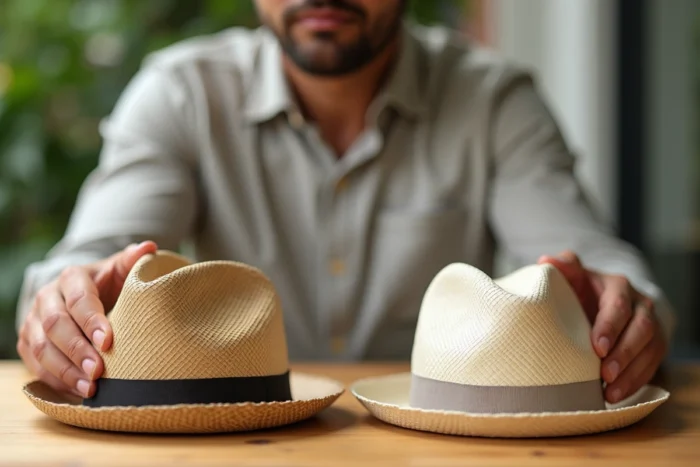
If you’re looking for practical tips on Le Blog de Lalie, the choice of material consistently comes up as the first lever. Cotton, linen, straw, hemp: these fibers allow air to pass through and absorb some moisture before gradually releasing it.
Synthetic materials trap heat and sweat against the scalp. Untreated polyester or thick nylon create a localized greenhouse effect. In contrast, a woven straw hat offers natural ventilation thanks to the micro-spaces between the fibers.
Linen remains the most effective fiber in terms of thermoregulation, but its rigidity limits the available shapes. Lightweight cotton makes a good compromise for caps and bucket hats, provided you choose a fine weight.
3. Ensure good air circulation

The shape of the hat directly influences the airflow around the head. A wide-brim hat creates a convection current: warm air rises and escapes through the top if the crown allows it, while the shade reduces the ambient temperature around the face.
A hat that is too tight blocks any natural ventilation. Leave a slight space between the inner band and your forehead. Models with an adjustable cord allow you to adjust the tension according to the activity, tight against the wind, relaxed at rest.
For sports activities (hiking, cycling, outdoor work), caps with mesh side panels provide lateral airflow that compensates for the closure of the front crown.
4. Use absorbent liners
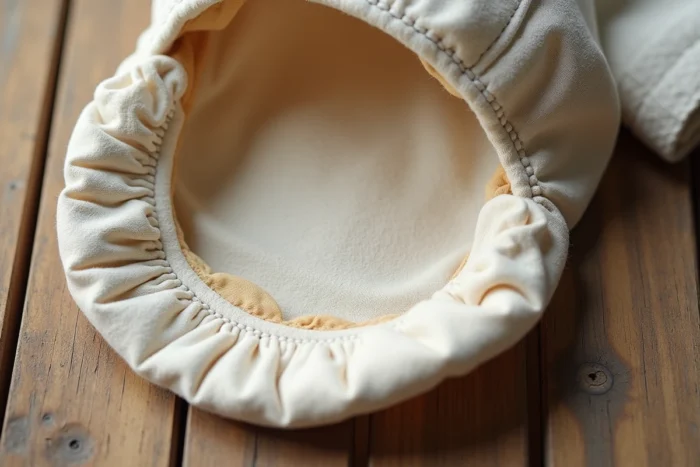
Anti-sweat bands and removable liners are often an underestimated addition. Placed between the forehead and the inner band of the hat, they capture sweat before it runs down the face or stains the fabric.
Several options exist:
- Washable terry cloth bands, to slip under the hat or cap, effective for prolonged outdoor sessions
- Disposable absorbent adhesive strips, convenient for travel or for ceremonial hats that you don’t want to damage
- Neck gaiters or multifunctional buffs, which also protect the neck and absorb sweat along the entire hairline
The combination of a hat and an absorbent band radically changes comfort over an entire day, especially when temperatures exceed usual comfort thresholds.
5. Maintain good scalp hygiene

A scalp loaded with sebum and styling product residues sweats faster and emits more odors under a hat. Regularly washing your hair with a mild shampoo before long wearing days reduces perceived sweat production.
Avoid gels and styling waxes on hot days. These products form an occlusive layer on the scalp that prevents natural evaporation and accelerates sweat accumulation in the hat band.
Also, remember to clean the hat itself. Dried sweat bands (that well-known oily halo for regular wearers) become a breeding ground for bacteria, worsening irritation and unpleasant odors over time.
6. Wear lightweight clothing

Sweating under a hat cannot be managed in isolation. The body regulates its temperature globally: if the torso and legs overheat, sweating at the head also increases, even with perfectly ventilated headgear.
Loose clothing made of cotton or linen facilitates evaporation across the body and reduces overall thermal load. Light colors reflect some solar radiation, limiting skin overheating.
In contrast, tight jeans and a dark polyester t-shirt will negate the benefits of the best breathable hat. The logic of thermal protection works as a complete system, from the hat to the shoes.
7. Stay hydrated

Hydration directly fuels the sweating mechanism. Regularly drinking water allows the body to maintain effective sweating without overheating, which may seem paradoxical: good hydration does not eliminate sweat but makes it more effective for cooling the body.
Dehydration leads to more concentrated, stickier, and smellier sweat. It also increases the risk of discomfort from high heat, especially when the scalp is trapped under a hat that limits evaporation.
Opt for cool (not icy) water at regular intervals rather than large quantities at once. Avoid alcohol outdoors, which accelerates dehydration and amplifies the feeling of heat.
8. Take breaks in the shade

Removing the hat for a few minutes in the shade remains the simplest and most underutilized gesture. Letting the scalp air dry boosts evaporation and quickly lowers skin temperature.
These breaks also serve to inspect the inside of the hat. If the band is soaked, wring it out or let it dry before putting it back on. A damp hat placed on an overheated scalp becomes counterproductive: it traps moisture instead of allowing it to evaporate.
In outdoor work or hiking contexts, plan these breaks approximately every hour. It’s also an opportunity to drink, cool your neck, and check that sun protection (cream, clothing) adequately covers areas that the hat does not protect, such as the temples or the back of the neck.
Sweating under a hat will never completely disappear, as it serves a cooling function that the body cannot deactivate. The real goal is to make it bearable and to prevent it from ruining comfort or damaging the headgear. A suitable hat, worn with the right reflexes, protects from the sun without turning every outing into a thermal ordeal.